
Call Center Dialer Software



Types of Call Center Dialers
Different types of dialers are used depending on the business objectives, call volume, and desired level of personalization:
Predictive Dialer
Uses algorithms to automatically dial multiple numbers simultaneously, predicting agent availability and the likelihood of a call being answered. It only routes live calls to agents, minimizing idle time and maximizing talk time, making it ideal for high-volume campaigns like telemarketing.
Progressive Dialer
Dials one number per available agent at a time, just after the agent has finished their previous call. This method ensures an agent is always available when a connection is made, resulting in minimal call abandonment rates and higher quality interactions, suitable for B2B sales or warm lead follow-ups.
Power Dialer
Similar to a progressive dialer, it dials numbers sequentially at a steady pace. The key difference is it automatically moves to the next number as soon as the previous call is complete (or unanswered/busy), reducing downtime between calls but still ensuring an agent is connected when a live person answers.
Preview Dialer
Presents the agent with customer information and call history on their screen before the call is placed, allowing them to review details and prepare for a personalized conversation. The agent then decides whether to initiate the call or skip the contact, which is best for high-value accounts or complex inquiries.
Manual Dialer
The basic method where agents manually dial each number. This is best for very low-volume operations or specific, highly personalized outreach efforts where complete agent control is essential.
Key Features
Effective call center dialer systems typically include the following features:
CRM Integration
Seamless synchronization with Customer Relationship Management (CRM) systems to provide agents with real-time customer data and a unified view of interactions across channels.
Call Recording and Monitoring
Records conversations for quality assurance, training purposes, and compliance adherence.
Real-time Analytics and Reporting
Provides dashboards with metrics on call volumes, agent performance, conversion rates, and campaign success to enable data-driven decisions.
Automatic Call Distribution (ACD)
Routes calls to the most appropriate or available agent based on predefined rules or skill sets.
Interactive Voice Response (IVR)
An automated phone system that interacts with callers, gathers information, and routes calls using pre-recorded messages and menu options.
DNC (Do Not Call) List Management
Helps businesses comply with telemarketing regulations by automatically filtering out numbers on national or internal do-not-call lists.
Voicemail Detection & Pre-recorded Messages
Detects answering machines and can automatically leave a pre-recorded message, saving valuable agent time.
Benefits
Implementing a call center dialer system offers numerous advantages:
Increased Agent Productivity
Eliminates time wasted on manual dialing, busy signals, or unanswered calls, allowing agents to spend more time talking to live prospects and customers.
Improved Efficiency
Automates the calling process, reducing human errors like misdialing and streamlining overall operations.
Better Lead Management and Conversion
Helps prioritize leads, ensures timely follow-ups, and facilitates personalized communication, increasing the likelihood of successful conversions.
Cost Savings
Reduces operational expenses by optimizing existing resources and potentially lowering the need for additional staff.
Enhanced Customer Experience
Faster response times, fewer dropped calls, and the ability to provide personalized service with customer data improves satisfaction and loyalty.
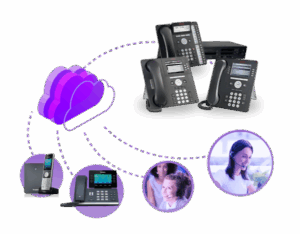
Cloud vs. on-premise dialer systems
| Aspect | Cloud-Based System | On-Premise System |
|---|---|---|
| Hosting and Management | Managed by a third-party service provider. No physical hardware is required on-site. | The company hosts and maintains all hardware, software, and servers on its own premises. |
| Initial Costs | Lower upfront costs, as businesses pay a subscription fee. | High initial investment for hardware, servers, and installation. |
| Scalability | Highly scalable and flexible, allowing businesses to easily add or remove agents as needed. | Scaling can be complex and expensive, requiring additional hardware and IT resources. |
| Accessibility | Agents can work from any location with an internet connection, making it ideal for remote or hybrid teams. | Limited to the physical location of the company’s hardware. |
| Maintenance | The service provider handles all maintenance, upgrades, and security. | The company is responsible for all system maintenance and updates. |
| Control and Security | Less direct control over the infrastructure, but providers offer robust security measures. | Offers full control over the system and data, which is crucial for handling sensitive information. |