
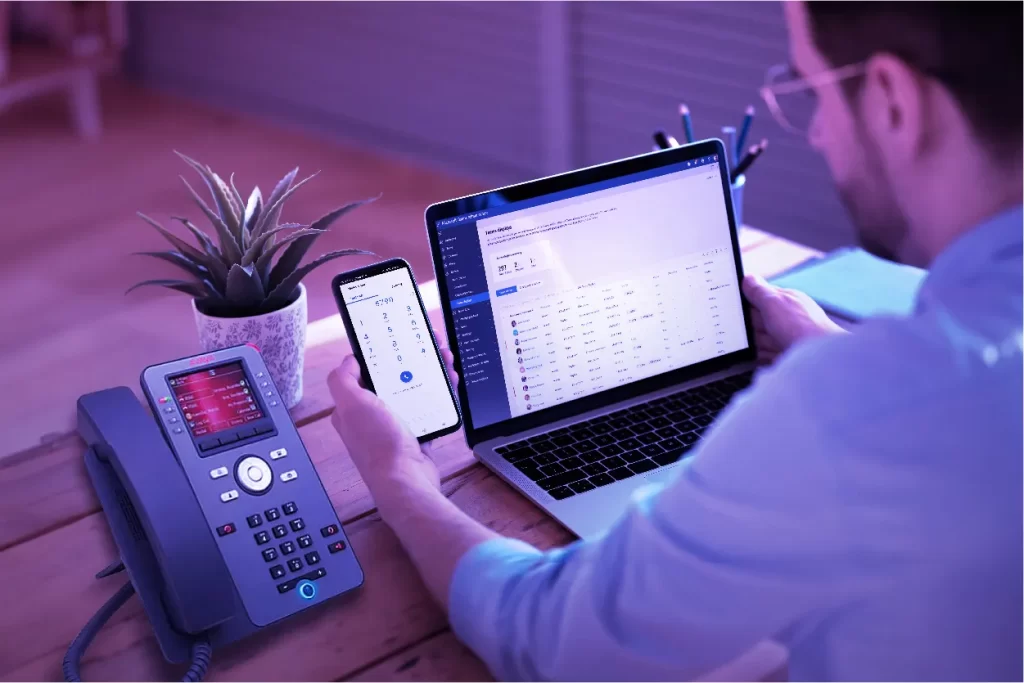
AI Continues to Enhance Daily Workflows
Now that we’re in the age of artificial intelligence, it’s actually pretty cool. Businesses and customers alike have embraced these new technologies with open arms and are using AI to boost customer experience and streamline business communications.
In fact, in our 2025 State of Customer Experience Report, business leaders said that when customers are shown responses written by humans and ones written by generative AI, 60% of customers actually preferred the AI-generated response. Common AI tools used for business communication include bots like ChatGPT and Google Gemini, which help generate emails, reports, and knowledge base articles.
Unified Communications Is Going Mainstream
Rather than providing multiple business communication tools that can lead to fragmented conversations, IT managers are now tasked with selecting tools that unify communication channels—voice, video conferencing, automation, team messaging, and more—into comprehensive UCaaS solutions. These digital Swiss Army knives streamline interactions, enable quicker, smarter decisions, and empower remote and hybrid work forces like never before.
By sticking with familiar tools, teams can save on training, reduce errors, and limit workflow delays, but there’s always room for improvement.
Embrace efficiency and effective communication by making the most of your existing tech stack

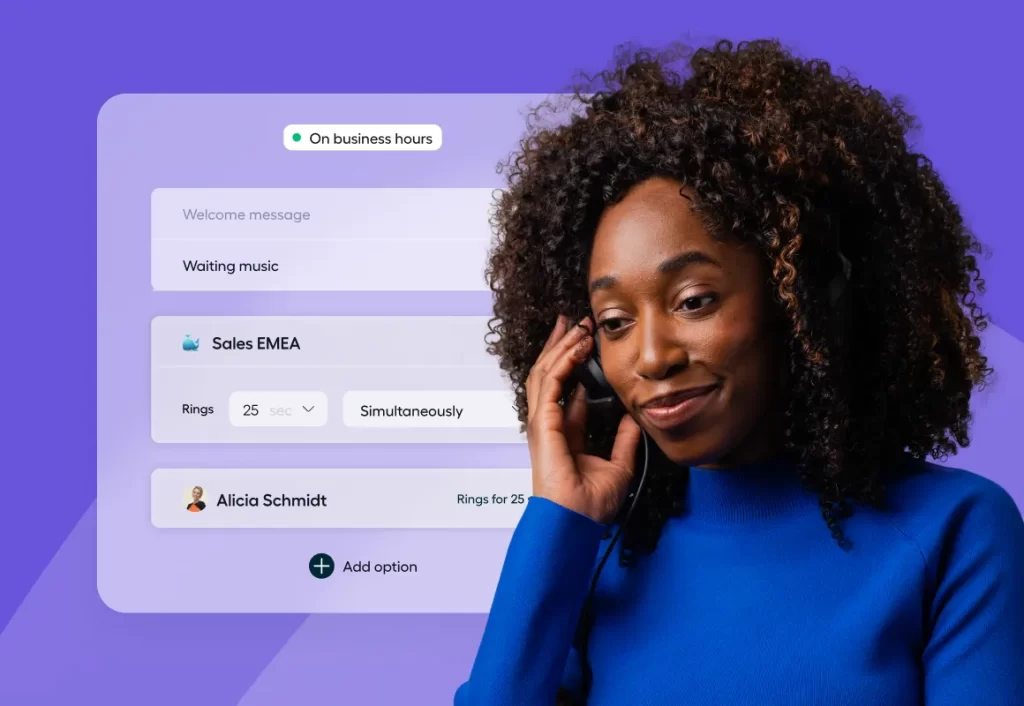
Mobile-First Communication Is Shaping the Future of Workplace Interactions
Customers expect fast responses, and a mobile-first platform means agents can manage interactions effortlessly — whether they’re in the office or working remotely. With features like mobile app support for Remote workers, businesses can provide exceptional 24/7 customer support. The result is faster response times, improved flexibility, and — best of all — happier customers.
As businesses continue to embrace remote and hybrid work models, employees and contact center agents need tools to stay connected and productive on the go. In addition to mobile accessibility, this trend is also about seamless integration. .
Data Integration Is Redefining Customer Experience Strategies
Streamline omnichannel communication | Implement a unified customer data platform (CDP) to gather and centralize customer insights across all touchpoints
Unifying customer data enables businesses to tailor each interaction, aligning with the growing expectation for omnichannel communication. Watch customer satisfaction rise as you implement these initiatives..
This approach adapts to customer preferences and leverages AI to deliver more intelligent customer experiences.
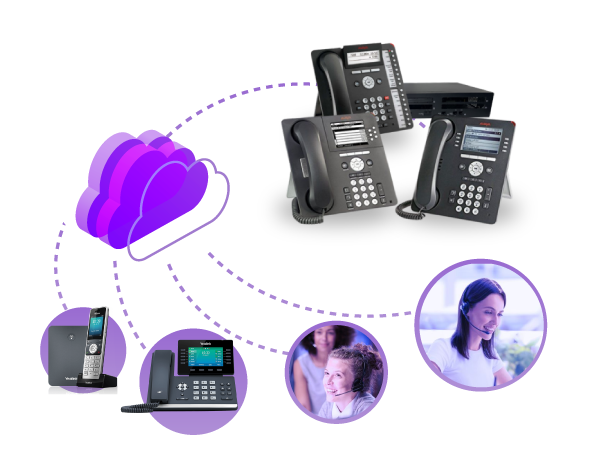
PBX System Benefits for Businesses
It’s not every day that businesses specifically want to set up their phone system. There has to be something in it for them to upgrade their phone service
Companies large and small enjoy the impressive capabilities of a IP PBX. Here are the top reasons why businesses use a IP PBX (UC) Unified Communication
Manage and complete calls on a pre-programmed schedule. For example, a medical office could route after-hours calls to an answering service. Operators can restrict or permit international dialing as needed to avoid high costs.
Easily transfer calls between users and departments without dropping the call. This is especially useful for customer support and sales teams.
A blind transfer is a quick and simple way to transfer a call, but the recipient is unaware of the incoming call until it rings on their end.
A warm transfer is a more involved process where the transferring agent speaks to the recipient before transferring the call, providing context and ensuring they are ready to receive it.
Record customized greetings and hold music to create a professional image and alert customers to promotions or issues.
IVR features include call routing, self-service options, data collection, and personalized interactions
Include Call routing. Based on the caller's input or the nature of the call, the IVR system can route the call to the appropriate department or representative.
Connect multiple offices on the same phone system so employees can communicate seamlessly across locations.
Many modern PBX systems provide detailed reporting on call activity, agent performance, and more. This data helps businesses optimize their communications.
A PBX can integrate with other communication channels like video conferencing, chat, and email to provide a seamless user experience.
VoIP-based PBX systems can significantly reduce costs compared to traditional phone lines. Businesses only need an internet connection instead of a separate voice infrastructure.
Reach out to us to know more about customer experience solutions and innovative technologies we work with