
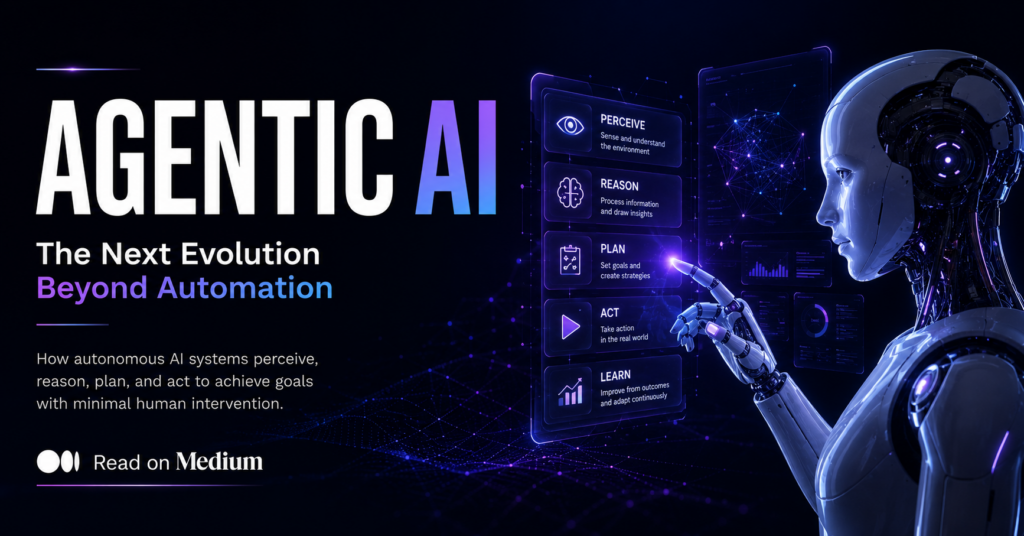
Turn AI agents into trusted business outcomes
Whether you’re building your first AI agent or scaling across the enterprise, we helps you move from experimentation to trusted, governed and outcome-driven AI. Amy Communications enables you to design, connect and scale AI agents into real business workflows – accelerating time-to-value while maintaining control and trust.
From automating repetitive tasks to revolutionizing complex workflows, AI agents are redefining productivity and innovation for the businesses of tomorrow.
What Do AI Agents Do?
AI agents represent a new era in artificial intelligence, far surpassing traditional software. Unlike static tools, these intelligent software agents act as autonomous, decision-making entities. They analyze data, plan tasks, take action, and continuously adapt—often in real time.
Unlike a standard chatbot or AI assistant—which simply answers a single prompt and waits for your next instruction—an AI agent operates in a continuous Reason-Act-Observe loop. Here’s what makes them so powerful
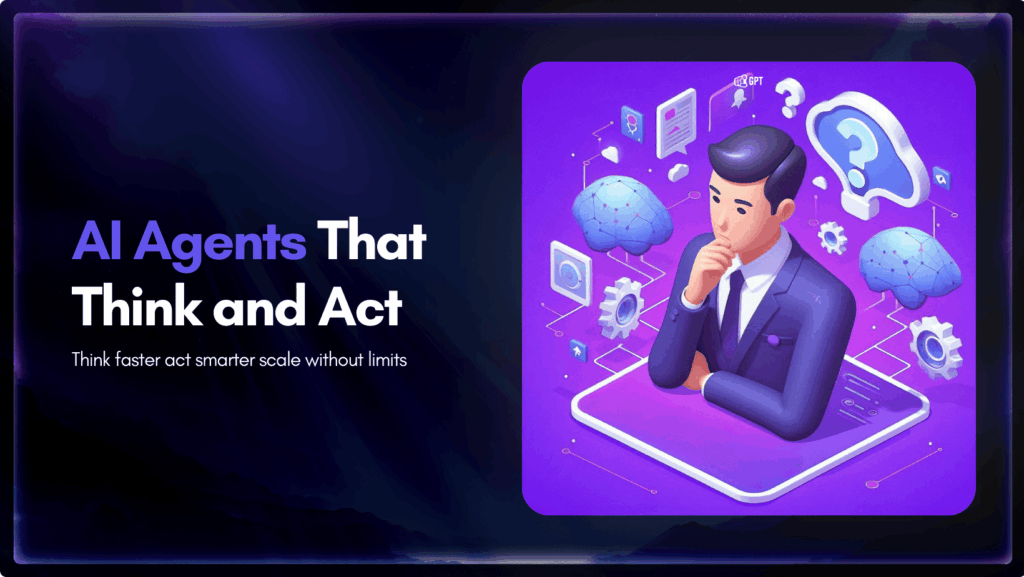
AI agents don’t just respond to instructions—they have initiative. They engage with their environment, learning and adapting as they go. AI agents continually collect information from a variety of sources. They use memory and specialized tools to understand what’s happening in their environment and to keep track of important details.
AI agents decide on the best course of action by considering goals, roles, and constraints. They can update their plans in real time as things change, making them more adaptable to process change and edge cases than techniques like robotic process automation.
AI agents are designed to be active participants in workflows. They’re not just tools—they’re capable, high-performing teammates that bring real value to the teams they support.
AI agents get things done by using connected systems and collaborating with other intelligent agents.
Built for Indian languages, Indian telephony, and Indian compliance

Voices that sound native, not robotic
Research-backed models deliver natural prosody and emotion where the quality gap is most audible.
Hindi, Tamil, Telugu, Kannada, Marathi, Bengali, and more
Hinglish code-switching that holds mid-sentence
Natural, real-time voice without awkward pauses
Turn AI agents into trusted business outcomes
AI agents automate repetitive tasks, increasing efficiency and freeing employees for strategic work.
Machine learning and NLP enable intelligent decision-making across business workflows.
AI-powered automation reduces operational costs, minimizing errors and optimizing resource usage consistently.
AI agents enhance customer experience through 24/7 support and personalized interactions.
Continuous learning ensures AI agents adapt, improve performance, and scale operations.
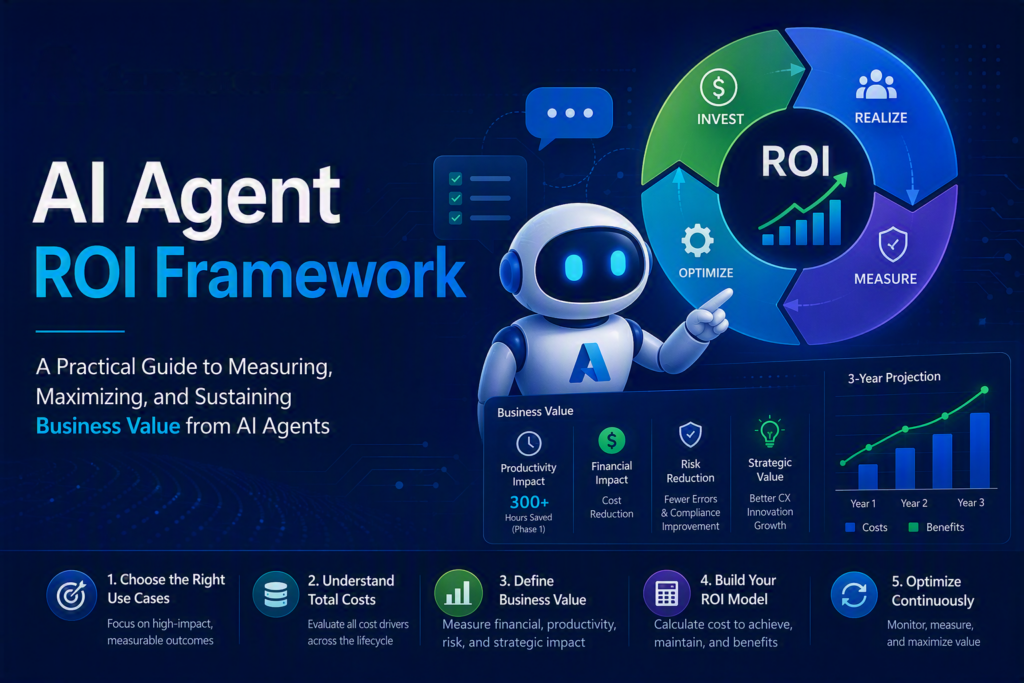

How Are Businesses Using AI Agents Today?
AI agents are fast becoming common across industries. Early adopters have already unlocked value from these intelligent software agents in multiple functions, including marketing and sales, customer service, R&D, and data and technology. But this is just the tip of the iceberg. Here are a few business cases for AI agents that companies are exploring today:
Marketing AI Agent
Personalized Engagement Lead Capture & Segmentation Multi Channel Campaigns
Sales AI Agent
Lead Qualification
Schedule Appointments
Post Visit Survey
Support AI Agent
Loyalty Programs
Resolve Queries
Department Routing
HR AI Agent
Employee Onboarding & Exit
Leave & Attendance Management
Answer Policy Questions
Recruitment AI Agent
Manage Job Applications
Candidate Screening
Schedule Interviews
ITSM AI Agent
L1, L2 & L3 Support
Ticket Management
Live Connect With Support Team
Where AI agents deliver measurable business value
AI agents create the most impact when applied to operational decisions that directly affect performance, cost and risk.
AI agents for customer engagement
AI agents help marketing teams design, optimize and execute customer journeys in real time. They analyze behavior, segment audiences and trigger personalized interactions across channels.
Results:
Faster campaign execution, improved targeting and higher engagement and conversion rates.
AI agents for collections & risk
AI agents analyze customer behavior, sentiment and risk signals to prioritize outreach and recommend next-best actions in collections and servicing workflows.
Results:
Improved recovery rates, reduced operational cost and more consistent decisioning.
AI agents for medication adherence
AI agents monitor patient behavior and intervention signals to identify adherence risks and trigger timely outreach.
Results:
Improved patient outcomes, increased adherence rates and more efficient care management.
AI agents for data mapping & integration
AI agents automate data integration and mapping tasks, transforming complex data environments into formats ready for analytics and AI models.
Results:
Reduced manual effort, faster data readiness and improved model performance.
AI agents for code generation
AI agents assist developers by generating, refining and explaining SAS and Python code. They help identify issues, recommend improvements and accelerate development workflows.
Results:
Faster development cycles, improved code quality and increased productivity.